
Moisture and mold risk in screened porches: how builders prevent it in Charlotte's humidity
By Rod Burnett · Updated 2026-07-10
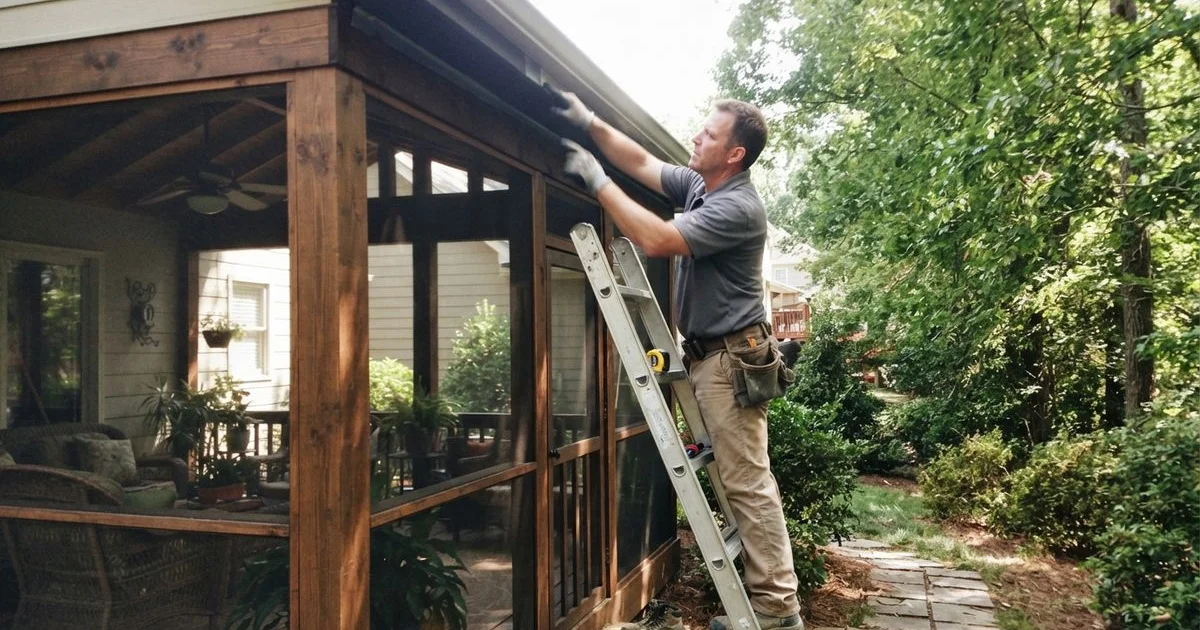
A screened porch or covered deck turns an outdoor space you use a few months a year into one you use most of it, but the same roof and enclosure that keep Charlotte’s summer sun and afternoon storms off you also change how the structure handles moisture. Get the details right during construction and it’s a non-issue. Skip them and you’re dealing with mildew, wood rot, or worse within a few humid seasons.
Why enclosed structures trap more moisture
An open deck dries out fairly quickly after rain, since sun and airflow reach the whole surface. Add a roof and screening, and you create shade and reduced airflow underneath, exactly the conditions mold and mildew need to take hold. This isn’t a reason to avoid a screened porch. It’s a reason to make sure ventilation and drainage are part of the design from the start, not an afterthought.
Where problems usually start
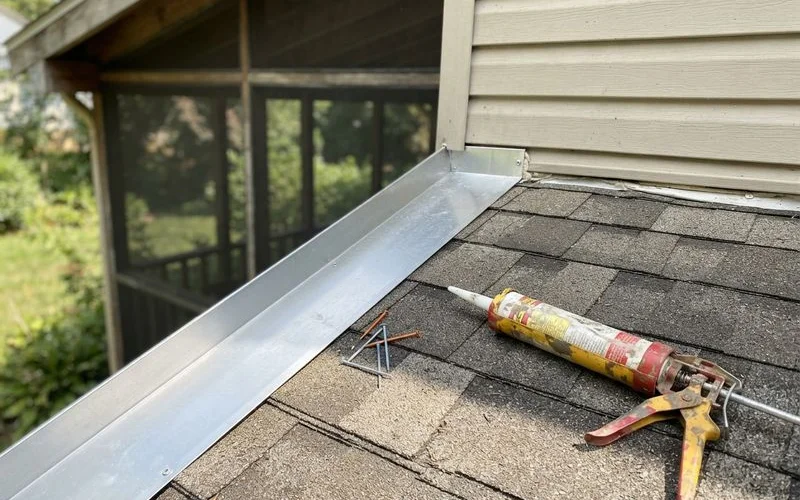
The roof-to-house connection. This is where most leaks originate, since the new roof structure has to tie into your home’s existing roofline without creating a path for water to get behind the flashing. Ask any builder how they handle this connection specifically, not just how they frame the porch itself.
Standing water on the floor. A screened porch or covered deck floor needs a slight slope, or a drainage plan, so rainwater blown in through the screens doesn’t pool. Standing water accelerates rot in wood decking and creates the damp conditions mold needs.
Poor airflow underneath. Just like an open deck, the space below a covered structure needs ventilation to let moisture escape rather than collect against the framing.
What a good builder does differently
| Risk factor | Prevention measure |
|---|---|
| Roof-to-house leak point | Proper flashing installed and sealed at the tie-in |
| Standing water on the porch floor | Slight slope or drainage channels built into the design |
| Trapped humidity underneath | Ventilation gaps in the substructure |
| Wood decking exposed to sustained dampness | Composite or properly sealed wood, chosen for the shaded, humid conditions a covered structure creates |
| Insect intrusion through screen gaps | Mesh density matched to the site’s bug pressure without cutting off too much airflow |
Materials matter here too
Composite decking handles the humidity a screened porch traps better than untreated wood, since it doesn’t absorb moisture or need sealing to resist it. If you’re set on a wood floor for the look, ask about the sealing schedule and whether the wood species and treatment are suited to a shadier, damper environment than an open deck sees.
Keeping a finished porch dry long term
Prevention doesn’t stop once construction wraps up. Clean gutters and downspouts near the porch roof regularly, since a clogged gutter can back water up into the very flashing joint that’s meant to keep it out. Wipe down screens and sills after a stretch of humid weather, and check the floor for any spot where water tends to sit after a hard rain. A ceiling fan or two, if your design includes one, helps keep air moving on still, humid days when natural airflow alone isn’t enough.
Signs the moisture control isn’t working
Watch for a musty smell that doesn’t clear after airing the space out, dark spotting on the ceiling or floor near the roofline, or screens that feel damp well after a rain has passed. Any of these point to a ventilation or flashing issue worth having a contractor look at before it turns into a larger repair. Catching it early, while it’s a caulking or ventilation fix, is a much smaller job than dealing with rotted framing later.
What to ask before you build
Ask your builder directly how they handle the roof tie-in and flashing, since this is where leaks and the moisture problems that follow usually start. Ask whether they’ve built similar covered structures, not just open decks, and whether they carry the insurance that covers roofing and electrical work if your project includes fans or lighting. Our methodology explains how we score builders on past work and responsiveness, and you can browse Charlotte Deck Builder Guide to find a specialist experienced with covered and screened structures.
Common questions
- Why are screened porches more prone to moisture problems than open decks?
- An open deck dries quickly after rain because air moves freely across it. A screened or covered structure traps more humidity underneath the roof, and if ventilation and drainage weren't planned for, that trapped moisture has nowhere to go.
- Where do screened porch leaks usually start?
- Most commonly where the new roof ties into the existing house roofline. This connection needs proper flashing, and it's one of the details worth asking a builder about directly before construction starts.
- Can mold growth on a screened porch actually affect health?
- Mold exposure can be a health concern for some people, particularly with allergies or respiratory sensitivity. This is general building information, not medical advice. If you're dealing with a persistent mold issue, a professional evaluation is worth getting.
- Does screen mesh density affect moisture buildup?
- It affects airflow, which affects drying time. A finer mesh blocks smaller insects but also restricts airflow slightly more than standard mesh, a tradeoff worth discussing with your builder based on how shaded and humid your specific yard is.